

Bergen County's Intensive Outpatient Programs (IOPs) provide a specialized balance between mental health treatment and community-based support for adults and adolescents with depression, anxiety, addiction, or co-occurring disorders. These structured programs offer individual and group therapy, skill-building workshops, and personalized care, allowing clients to maintain routines while receiving intensive treatment. IOPs are effective for stabilization, coping mechanism development, and reducing relapse risks, but require commitment through regular attendance. Access may vary based on insurance and local resources, yet these programs remain a valuable resource within Bergen County's mental health services landscape.
“Uncovering the Power of Intensive Outpatient Programs (IOPs) in Bergen County: A Comprehensive Guide. This article delves into the transformative world of IOPs, offering specialized mental health care for individuals battling addiction and co-occurring disorders. We explore the unique benefits and navigate the eligibility criteria, ensuring a clear understanding for those seeking support.
From the role of partial hospitalization to leveraging community resources, this guide equips readers with knowledge on effective treatment options within Bergen County.”
- Understanding Intensive Outpatient Programs (IOPs) in Mental Health Care
- The Role of IOPs and Partial Hospitalization in Treating Addiction and Co-Occurring Disorders
- Benefits and Challenges of Intensive Outpatient Treatment in Bergen County
- Who is Eligible for IOP Services? Criteria and Admission Process
- Navigating the Support Network: Family, Community, and Professional Resources in Bergen County
Understanding Intensive Outpatient Programs (IOPs) in Mental Health Care
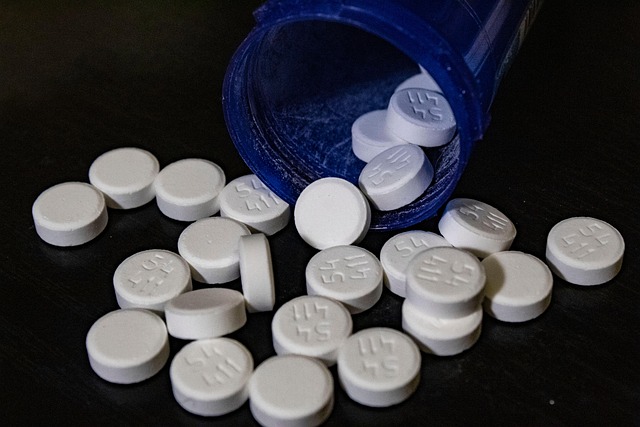
Intensive Outpatient Programs (IOPs) are a specialized form of mental health care designed to offer more structured support than traditional outpatient therapy while allowing individuals to maintain their daily routines. These programs cater to those who require more intensive treatment than standard therapy sessions but aren’t in need of a full-time residential program. IOPs provide a balanced approach, combining group and individual therapy sessions typically held several times a week. This structure enables clients to receive expert guidance while still having the flexibility to attend school, work, or other commitments.
In Bergen County, intensive outpatient programs have become a valuable resource for individuals seeking comprehensive mental health support without sacrificing their independence. These programs are particularly beneficial for addressing various conditions such as depression, anxiety disorders, substance use disorders, and more. By participating in structured outpatient treatment, clients can actively engage in their recovery journey while enjoying the benefits of a supportive community. Whether it’s through group discussions or personalized therapy, IOPs foster skill-building, coping mechanisms, and resilience, empowering individuals to lead fulfilling lives.
The Role of IOPs and Partial Hospitalization in Treating Addiction and Co-Occurring Disorders

In Bergen County, intensive outpatient programs (IOPs) and partial hospitalization play pivotal roles in addressing addiction and co-occurring disorders. IOPs offer a structured outpatient treatment approach, providing individuals with a comprehensive set of services tailored to their specific needs. These programs typically include individual therapy, group sessions, and educational workshops focused on helping clients manage their addictions and any underlying conditions.
Partial hospitalization, on the other hand, offers a more intensive level of care than traditional outpatient treatment but is less restrictive than inpatient rehabilitation. Clients attend daily sessions at a treatment center, participating in various therapies and activities designed to support recovery. This structured environment facilitates ongoing assessment, intervention, and skill-building, making it particularly effective for managing complex cases involving addiction and co-occurring disorders in Bergen County.
Benefits and Challenges of Intensive Outpatient Treatment in Bergen County

Intensive Outpatient Programs (IOPs) in Bergen County offer a unique balance between inpatient care and community-based treatment. One of the key benefits is their flexibility, catering to individuals who require more support than traditional outpatient settings but don’t need the intensive round-the-clock supervision of a hospital. IOPs facilitate structured outpatient treatment, allowing patients to maintain routines while receiving specialized therapy and support for mental health or addiction issues. This approach has proven effective in promoting stabilization, improving coping skills, and reducing relapse risks.
However, navigating partial hospitalization comes with challenges. It demands a significant commitment from both clients and therapists, as regular attendance is vital for optimal outcomes. Clients must balance treatment with daily responsibilities, which can be demanding. Additionally, access to IOPs may vary based on insurance coverage and available local resources, potentially limiting accessibility for those in need. Despite these challenges, IOPs represent a valuable resource within the mental health landscape of Bergen County, offering tailored support to foster recovery and personal growth.
Who is Eligible for IOP Services? Criteria and Admission Process

Intensive Outpatient Programs (IOPs) in Bergen County are designed for individuals who require more comprehensive care than traditional outpatient services but don’t necessitate a full hospital stay. These programs are typically suitable for adults and adolescents struggling with mental health disorders, substance use disorders, or co-occurring conditions. Eligibility criteria often include recent hospitalization or a severe episode of illness, as well as a commitment to active participation in treatment.
The admission process usually involves a thorough assessment by a qualified healthcare professional. This may include interviews, psychological evaluations, and reviews of medical history. For those seeking partial hospitalization, the process is similar but may also require an initial stay in an inpatient setting before transitioning to the more intensive outpatient care. The goal is to provide tailored structured outpatient treatment that addresses the unique needs of each individual, fostering recovery and a return to a stable, healthy lifestyle.
Navigating the Support Network: Family, Community, and Professional Resources in Bergen County

In Bergen County, a robust support network is integral to the success of intensive outpatient programs (IOPs) and partial hospitalization. Family plays a pivotal role, offering encouragement and practical assistance throughout an individual’s treatment journey. Local communities also contribute significantly by hosting various support groups tailored to mental health needs, providing safe spaces for individuals to connect, share experiences, and gain insights from peers facing similar challenges.
Professional resources are abundant in Bergen County, with numerous therapists, counselors, and psychiatrists specializing in structured outpatient treatment and related services. These professionals guide patients through the process, offering evidence-based therapies and strategies to manage conditions effectively upon discharge from intensive or partial hospitalization. The availability of diverse mental health services ensures that individuals receive comprehensive care tailored to their unique needs.
Intensive Outpatient Programs (IOPs) and partial hospitalization offer effective treatment options for individuals in Bergen County struggling with addiction and co-occurring disorders. By combining group therapy, individual counseling, and community support, these programs provide a structured yet flexible environment for recovery. Understanding the benefits, challenges, and eligibility criteria is crucial for those seeking help. Accessing local resources, including family, community groups, and professional networks, can enhance the effectiveness of IOPs in fostering lasting healing and positive outcomes.